


About Informal Sector industry Skills Council (ISISC)

About Informal Sector industry Skills Council (ISISC)

The informal economy plays a significant role in Bangladesh's national economy, contributing to employment generation and the distribution of goods and services. The Bangladesh Labour Force Survey 2022 reveals that nearly 6 crore (60 million) people, accounting for 84.9% of the total working population in Bangladesh, are engaged in informal employment. It is noteworthy that out of the total employed women in Bangladesh, 96.6 percent are in informal employment. Similarly, 92.7 percent of youth aged 15-27 are employed informally. In terms of GDP and employment, Bangladesh's informal sectors are the most important economic activities. According to studies, about 35% to 88% of Bangladesh's workforce is employed in the informal economy, and the informal economy contributes around 49% to 64% of the country's GDP.


Informal Sector Industry Skills Council (ISISC) is created by the National Skills Development Authority (NSDA) earlier NSDC under the Prime Minister`s Office as a non-profitable organization.  The organization is licensed by the Ministry of Commerce, Government of the People`s Republic of Bangladesh registered under the Companies Act (Act XVIII) of 1994. ISISC is one of the largest and vibrant non-profit organizations (out of 16 ISCs) for linking Informal Sector Industries with pertinent Government bodies and other stakeholders having common interest vis-a-vis workforce and sectoral development.


Introduction to the Informal Sector Industry Skills Council (ISISC)
Our Mission

To enhance the skills, productivity, and employability of workers in Bangladesh’s informal economy by developing industry-driven training standards, recognizing existing skills, and promoting lifelong learning opportunities — ensuring that informal workers gain access to decent work, sustainable livelihoods, and pathways to formal employment.

Introduction to the Informal Sector Industry Skills Council (ISISC)
Our Vision

To build a skilled, recognized, and empowered informal workforce that contributes effectively to national development and economic growth through inclusive, quality, and industry-responsive skills development.

What We Do

Icon
Skills Needs Assessment

The Informal Sector Industry Skills Council (ISISC) plays a vital role in identifying the real skill demand within Bangladesh’s vast informal economy. Through continuous research, industry consultation, and field-level engagement, ISISC conducts comprehensive Skills Needs Assessments to ensure that training, certification, and policy planning stay aligned with market realities.

Read More
Icon
Development of Standards and Curriculum

Design and validate National Occupational Standards (NOS) and Competency-Based Training (CBT) curriculum tailored to informal sector needs.

Read More
Icon
Recognition of Prior Learning (RPL)

Assess and certify workers’ existing skills and experiences, helping them gain formal recognition without traditional schooling.

Read More
Icon
Training and Capacity Building

Partner with training providers, NGOs, and community organizations to deliver industry-relevant training programs nationwide.

Read More
Icon
Industry Collaboration

Work closely with employers and small enterprises to ensure training meets market demand and improves employability.

Read More
Icon
Certification and Quality Assurance

Ensure all training and assessments follow NSDA guidelines and meet national competency standards.

Read More
Icon
Policy Advocacy and Awareness

Promote the importance of informal sector skills development and advocate for policies that support inclusive and sustainable employment.
Read More

Message

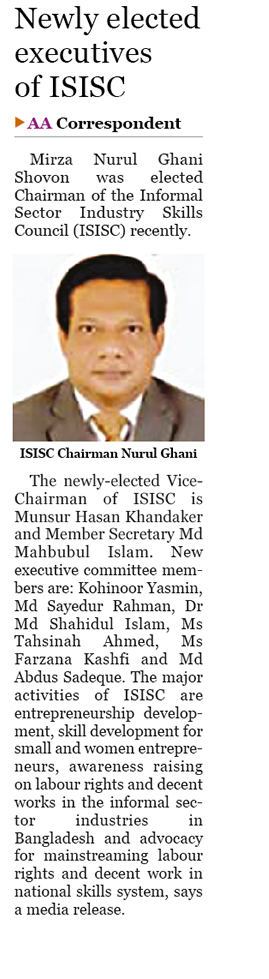
Chairman's Message

Chairman's Message

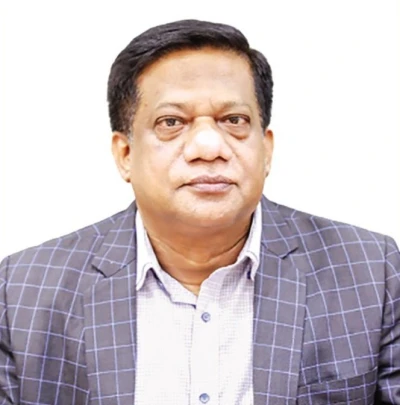
Bangladesh’s informal sector plays a vital role in our national economy, employing a significant portion of the workforce and contributing greatly to poverty reduction and livelihood generation. However, most of these workers remain outside the formal training and certification system. Recognizing this challenge, the Informal Sector ISC is committed to bringing informal workers into the mainstream of national skills development.

Read More

900

Competency

429

Skills Institute

19

Projects

25

G.B Members

Read Our Latest Blogs

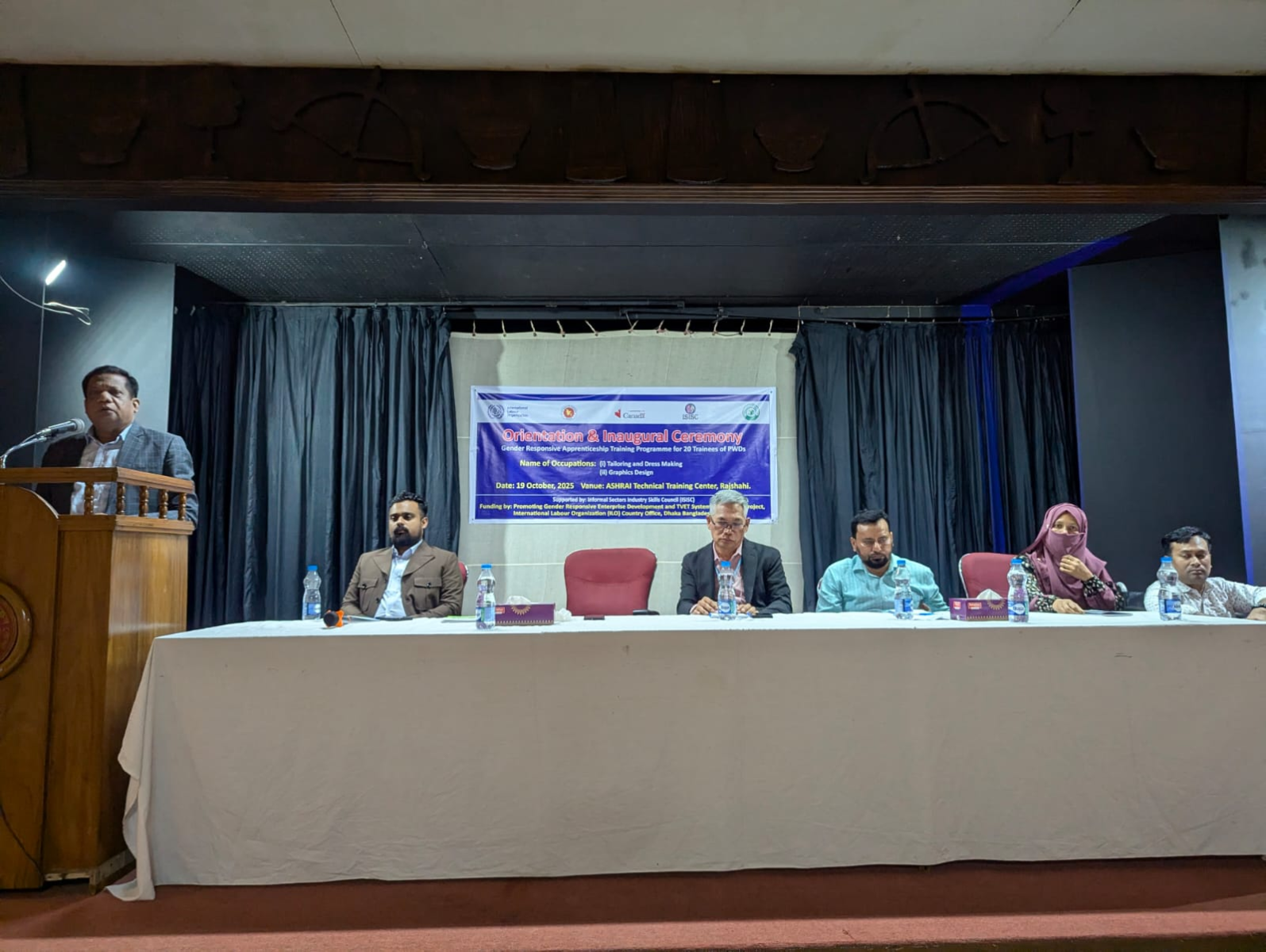
Promoting Gender Responsive Enterprise Development and TVET Systems (ProGRESS) & ISISC Jointly Organize Orientation & Inaugural Ceremony

Promoting Gender Responsive Enterprise Development and TVET Systems (ProGRESS) & ISISC Jointly Organize Orientation & Inaugural Ceremony

Promoting Gender Responsive Enterprise Development and TVET Systems (ProGRESS) & ISISC Jointly Organize Orientation & Inaugural Ceremony

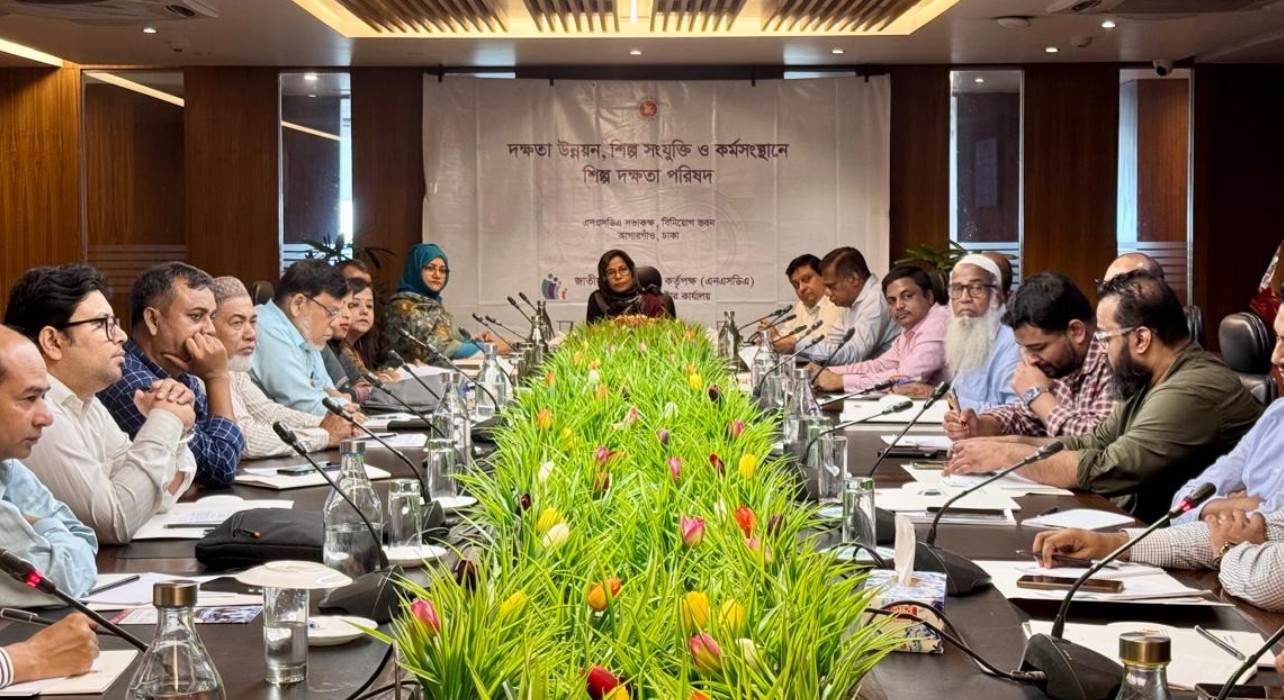
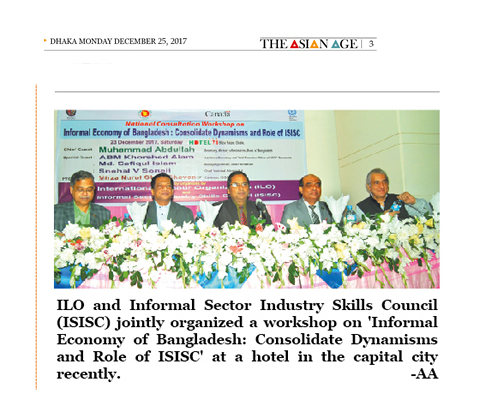
Day-long workshop on 'Industry Skills Council (ISC) in Skill development, Industrial linkage, and Employment' was held on August 06, 2025, Wednesday, at NSDA conference room, NSDA

Day-long workshop on 'Industry Skills Council (ISC) in Skill development, Industrial linkage, and Employment' was held on August 06, 2025, Wednesday, at NSDA conference room, NSDA

The primary objective of the workshop was to develop a skilled workforce for the country's informal sector, as well as to explore methods for coordinating the skills development of workers in this sector and their integration into the industry.

Dialogues on Mainstreaming Informal Sector Policy in Inclusive and Green Skills of Bangladesh

Dialogues on Mainstreaming Informal Sector Policy in Inclusive and Green Skills of Bangladesh

Dialogues on Mainstreaming Informal Sector Policy in Inclusive and Green Skills of Bangladesh

Frequently Asked Questions

The Informal Sector Industry Skills Council (ISISC) is a national body that works to strengthen skills development in Bangladesh’s informal sector. It develops standards, curricula, training frameworks, certification systems, and industry partnerships to ensure workers receive relevant and recognized skills.

ISISC supports skills development for informal sector workers, apprentices, master craftspersons, micro-entrepreneurs, and individuals with practical experience. Both new learners and experienced workers seeking recognition through Recognition of Prior Learning (RPL) can participate.

RPL is a process that certifies the skills workers have gained through experience, on-the-job learning, or informal apprenticeship. Candidates demonstrate their skills, and if they meet national standards, they receive official NSDA-approved certificates without attending full-length training.

ISISC follows a structured Quality Assurance framework, conducts monitoring of training providers, approves assessors, verifies assessment processes, and ensures compliance with National Occupational Standards (NOS). This maintains fairness, accuracy, and reliability in certification.

ISISC works closely with informal enterprises, master craftspersons, and sector associations. Industry experts help develop standards, validate curriculum, participate in assessments, support RPL activities, and provide insights to keep training aligned with market needs.

Our Partners

NSDA
ILO
Icon Chat