Association Associated Institutions in the ISISC:
1) MNG Metal Industries, Bangra, Kalihati, Tangail
2) National Association of Small & Cottage Industries of Bangladesh (NASCIB)
3) Bangladesh Association for Community Education (BACE)
4) SOS Vocational Training Centre Dhaka (SOS CHILDREN`S VILLAGE)
5) TARANGO
6) Grameen Shakti
7) Bangladesh Rural Advancement Committee (BRAC)
8) Dhaka Ahsania Mission (DAM)
9) Campaign For Popular Education (CAMPE)
10) Bangla-German Sampreeti (BGS)
11) UCEP Bangladesh
12) DBL Group
13) Livelihood Development Training Institute (LDTI)
14) ASHIKA MANABIK UNNAYAN KENDRA
15) Progressive Naari Biborton
16) S.R Enterprise (Kishorganj Women Chambers of Commerce)
17) Informal Community Optimum Network Society(ICON Society)
18) Montage Training & Certification Bangladesh
19) Compact Foundation
20) Bhairab Footwear Factory Owners Association Ltd
21) Bangladesh Electrician Federation
22) Agricultural Machinery Manufacturer`s Association-Bangladesh (AMMA-B)
23) Furniture King
Objective: To guide and provide necessary support for the inclusive and sustainable development of informal sector industries through capacity development, policy advocacy, and market research.
1) To
promote skill development activities in the areas of the Informal Sector Industry
2) To act
as a nationally and internationally recognized innovative and dedicated partner
to our clients' enterprises, delivering effective human resources solutions that
surpass client expectations, and to create a competitive edge by providing
exceptional talent and unique solutions, enabling them to focus on their core
business.
3) To act as a career counseling service to individuals to develop a realistic vision of
the future and to equip them with a plan to manage their own personal and
career development.
Key Focus Areas
The council focuses on various
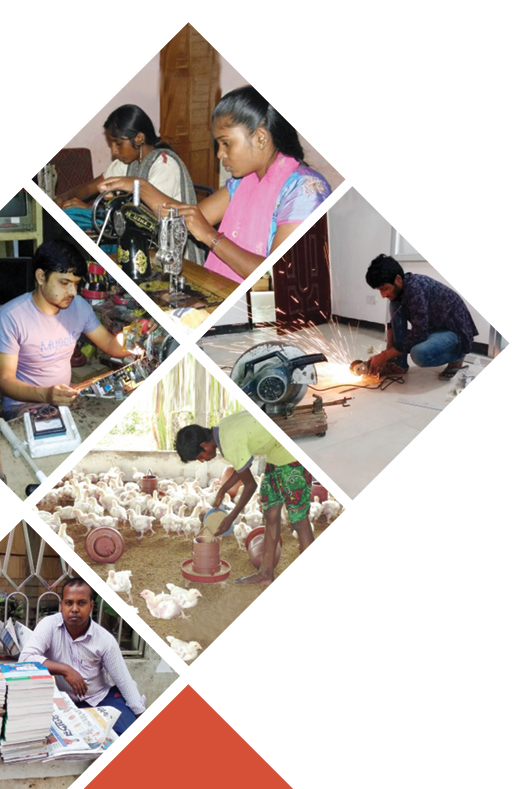
trades and occupations typically found in the informal sector, such as:
⚙️
Core Functions
🤝 Stakeholders
📈 Impact
To enhance the skills, productivity, and employability of workers in Bangladesh’s informal economy by developing industry-driven training standards, recognizing existing skills, and promoting lifelong learning opportunities — ensuring that informal workers gain access to decent work, sustainable livelihoods, and pathways to formal employment.
The Informal Sector Industry Skills Council (ISISC) is a national organization dedicated to strengthening skills development within Bangladesh’s informal sector. It develops occupational standards, training curricula, competency-based training frameworks, certification systems, and industry partnerships to ensure that workers acquire relevant, high-quality, and nationally recognized skills. Through its initiatives, ISISC contributes to improving employability, productivity, and sustainable economic growth in the informal economy.
ISISC supports skills development and certification opportunities for informal sector workers, apprentices, master craftspersons, micro-entrepreneurs, and individuals with practical work experience. Both new learners and experienced workers are eligible to participate. Experienced workers can also obtain formal recognition of their skills through the Recognition of Prior Learning (RPL) process.
Recognition of Prior Learning (RPL) is a process that formally recognizes and certifies the skills and competencies workers have acquired through work experience, on-the-job learning, or informal apprenticeship. Through RPL, candidates demonstrate their existing skills and knowledge against nationally recognized competency standards. Those who meet the required standards are awarded NSDA-approved certificates without the need to complete full-length training programs.
ISISC ensures the quality of training and certification through a comprehensive Quality Assurance Framework. The organization regularly monitors training providers, approves qualified assessors, and verifies assessment processes to maintain high standards. ISISC also ensures strict compliance with National Occupational Standards (NOS), promoting fairness, accuracy, transparency, and reliability in the training and certification system.
ISISC collaborates closely with informal enterprises, master craftspersons, and sector associations to ensure that skills development initiatives remain relevant and industry-driven. Industry experts contribute to the development of occupational standards, curriculum design and validation, competency assessments, and Recognition of Prior Learning (RPL) activities. They also provide valuable insights on emerging market trends and workforce requirements, helping ISISC align training programs with current and future industry needs.



Copyright © 2026 Informal Sector Industry Skills Council - ISISC,
All rights reserved. Design &
Development by

 Chat
Chat